Collection: Diabetic Skin

Along with other effects on the body, diabetes can also negatively impact the skin. In fact, skin problems may sometimes be among the first visible indicators of diabetes. In people with diabetes, high blood sugar (glucose) levels, impaired blood circulation, and nerve damage can lead to various skin concerns. These may include, but are not limited to, dry and itchy skin, open sores and wounds, bacterial and fungal infections, and—most importantly—diabetic foot ulcers, particularly in older patients. As a result, diabetic skin is more prone to such complications, and individuals living with diabetes should be aware of potential skin-related issues.
Common diabetes-related conditions such as poor circulation, nerve damage, and elevated blood sugar levels can interfere with the skin’s ability to heal wounds, sores, and ulcers, especially on the lower parts of the body. In older individuals with diabetes, reduced nerve function may lead to partial or complete loss of sensation in the feet or legs. Consequently, cuts, blisters, sores, or wounds—particularly on the soles of the feet—may go unnoticed for days or even weeks. This condition is known as diabetic foot ulcers and is highly prevalent among older diabetic patients.
Diabetic Foot Ulcers and Aloe Vera
As expected, open wounds on the feet, including diabetic foot ulcers, provide an ideal environment for harmful microorganisms to multiply, potentially leading to bacterial or fungal infections. If not properly managed, diabetic foot ulcers can, in severe cases, result in tissue damage or even amputation. Effective management of diabetic foot ulcers typically includes controlling blood glucose levels, reducing pressure on the affected area (known as off-loading), and preventing infection. It is now widely recognized among healthcare professionals that diabetic foot ulcers may heal more effectively when they are kept clean, covered, disinfected, and adequately moisturized.
In this context, aloe vera has been used for centuries as a natural ingredient to support the care of wounds, cuts, sores, and ulcers. It is known to help maintain moisture in the surrounding wound area and to contribute to the different phases of the skin’s healing process. Therefore, two-in-one creams enriched with aloe vera that provide both gentle disinfection and proper moisturization may be incorporated into the supportive care of diabetic foot ulcers.
-
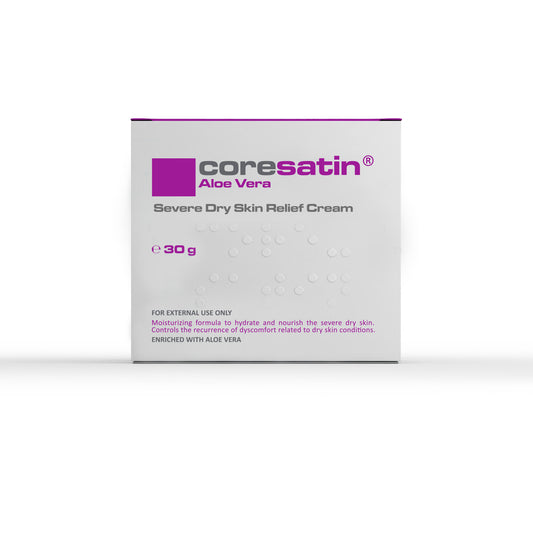
Aloe Vera Severe Dry Skin Relief Cream
Regular price $50.00Regular price